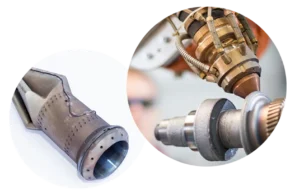
Gas Turbine Engineering: Principles, Design Components and Field Applications
Gas turbines are essential in power plants, transportation, and aerospace, with diverse industrial applications.
Principles of Gas Turbine Operation
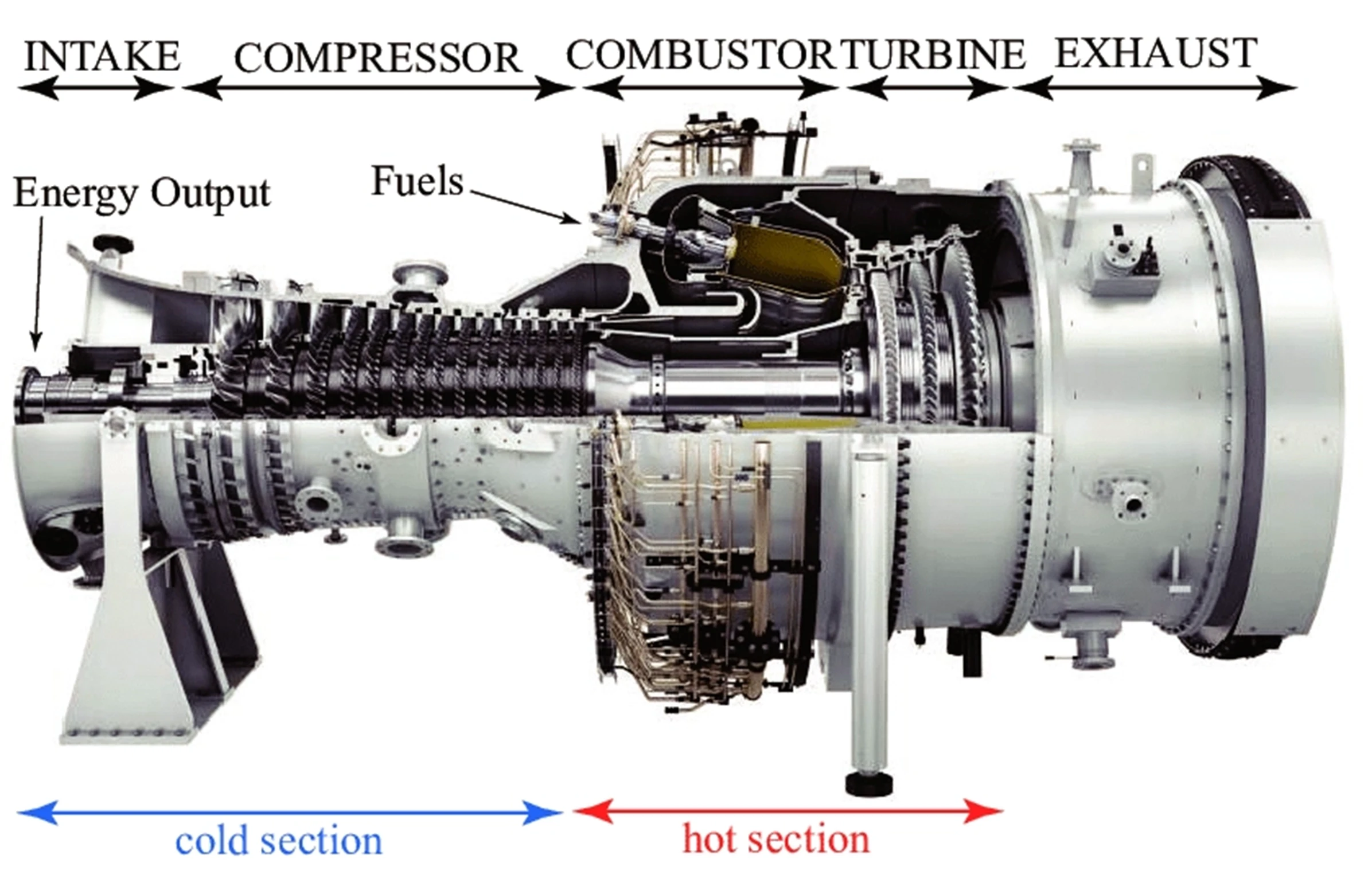
Gas turbines operate based on the Brayton cycle, which consists of three primary stages:
1. Air Compression: Air is drawn into the turbine through a compressor and compressed.
2. Combustion: The compressed air is mixed with fuel and burned in the combustion chamber. This process increases the temperature and pressure of the exhaust gases.
3. Expansion and Energy Production: The hot, high-pressure gases pass through the turbine, causing its blades to rotate. This mechanical energy is then converted into electrical energy using a generator.

Main Components of a Gas Turbine
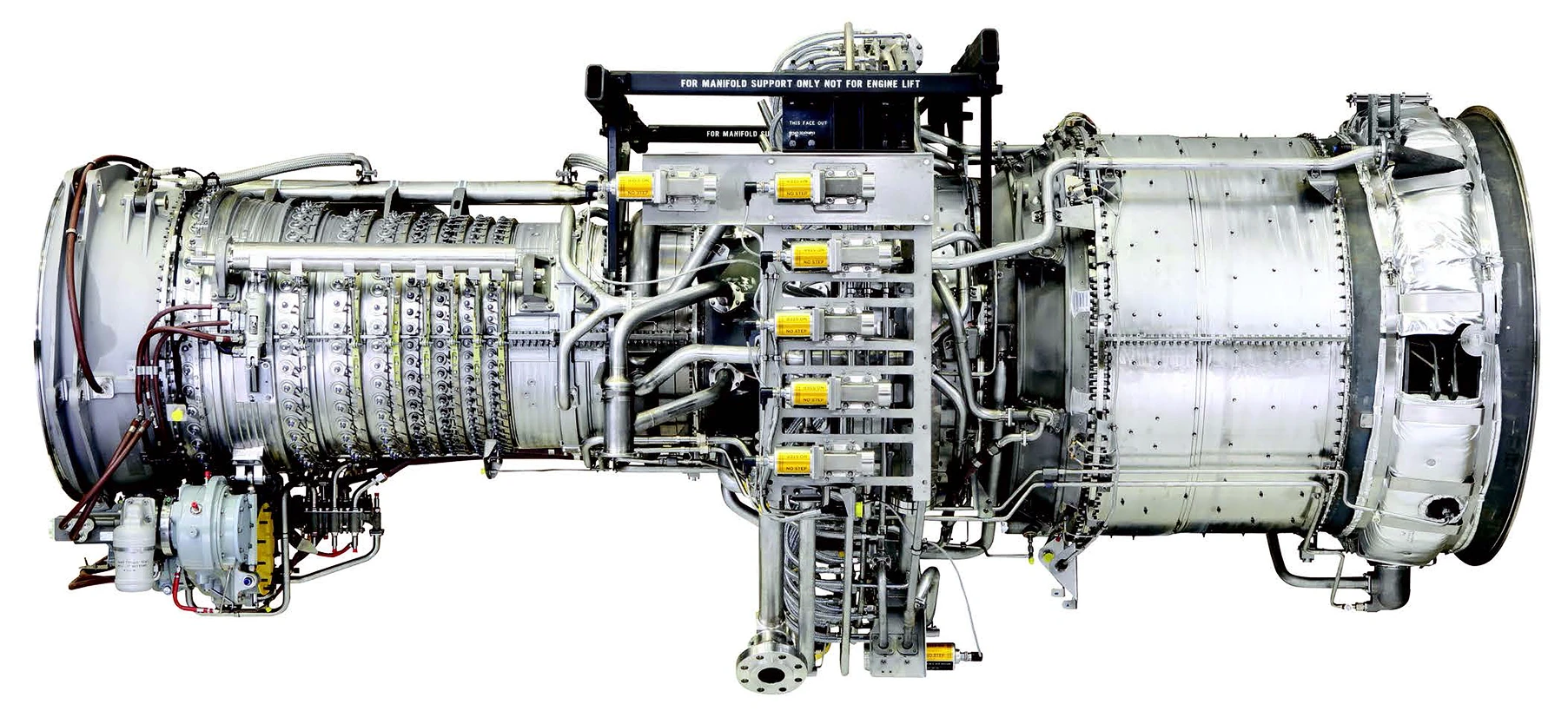
Compressor: The compressor is one of the most essential components of a gas turbine, responsible for compressing air. Compressors are divided into two types: axial and centrifugal. Axial compressors are used in high-capacity applications like power plants, while centrifugal compressors are more common in smaller applications.
Combustion Chamber: The combustion chamber is where the fuel and air mixture reacts. This part needs to be designed for complete combustion while producing the least pollutants.
Turbine: The turbine consists of a set of blades that convert the energy of hot gases into mechanical energy. The materials used in turbine blades must have high thermal and mechanical resistance.
Applications of Gas Turbines
1. Power Plants: Gas turbines are utilized in simple and combined cycle power plants due to their high efficiency and short startup time.
2. Aircraft: Jet engines powered by gas turbines are widely used in the aviation industry.
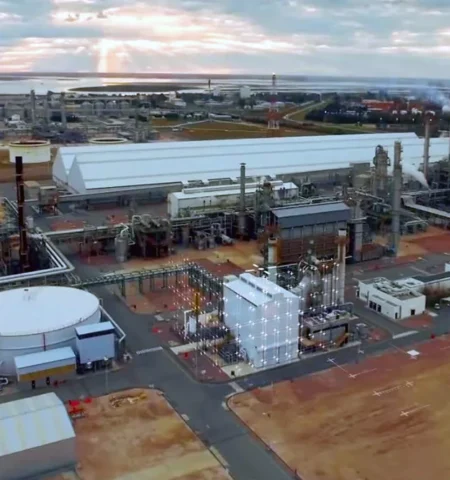
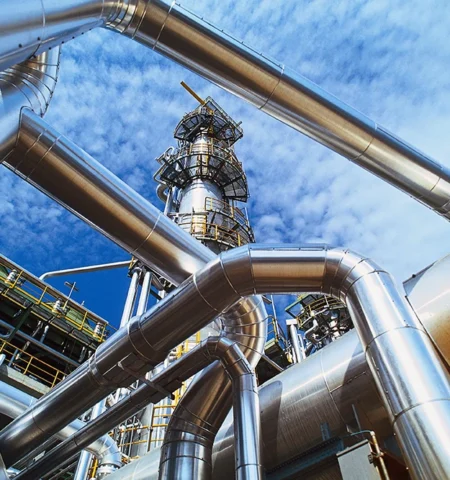
3. Oil and Gas Industry: Gas turbines are employed to drive compressors and pumps in gas pipelines and refineries.
Recent Developments in Gas Turbines
Challenges and Future of Gas Turbines
One of the main challenges for gas turbines is reducing greenhouse gas emissions. Utilizing alternative fuels such as hydrogen and developing clean combustion technologies can help minimize the environmental impact of these systems. Additionally, integrating gas turbines with renewable energy sources like solar and wind energy could enhance energy sustainability in the future.
Gas turbines, as an advanced and efficient technology, play a critical role in energy supply and driving various industries. Due to their high energy production capacity, greater efficiency, and reduced environmental pollution, these turbines are used in various industrial sectors, including power plants, transportation, aerospace, and even centralized and distributed power generation systems.
With technological advancements and increased attention to environmental issues, it is expected that gas turbines will remain a focal point for engineers and researchers. By leveraging innovative technologies, the performance and efficiency of these turbines can be further improved. Additionally, the development of renewable energy resources and their integration with gas turbines can contribute to mitigating environmental impacts.