Zorya Gas Turbines: History, Features, and Applications
Zorya gas turbines are used in countries needing high-power equipment for harsh conditions.
These turbines, known for their resilience in harsh conditions and high-temperature resistance, are utilized in the oil and gas industry as well as other sectors. Many Zorya turbines are also specifically designed for military and strategic applications.
History of Zorya Turbines
Zorya gas turbines were developed by defense industries and military forces, particularly during the Cold War and afterward. Initially designed for military applications, notably to provide backup power for military bases and specialized equipment, these turbines gradually expanded into civilian industries, especially in the oil and gas sector.
Structure and Features
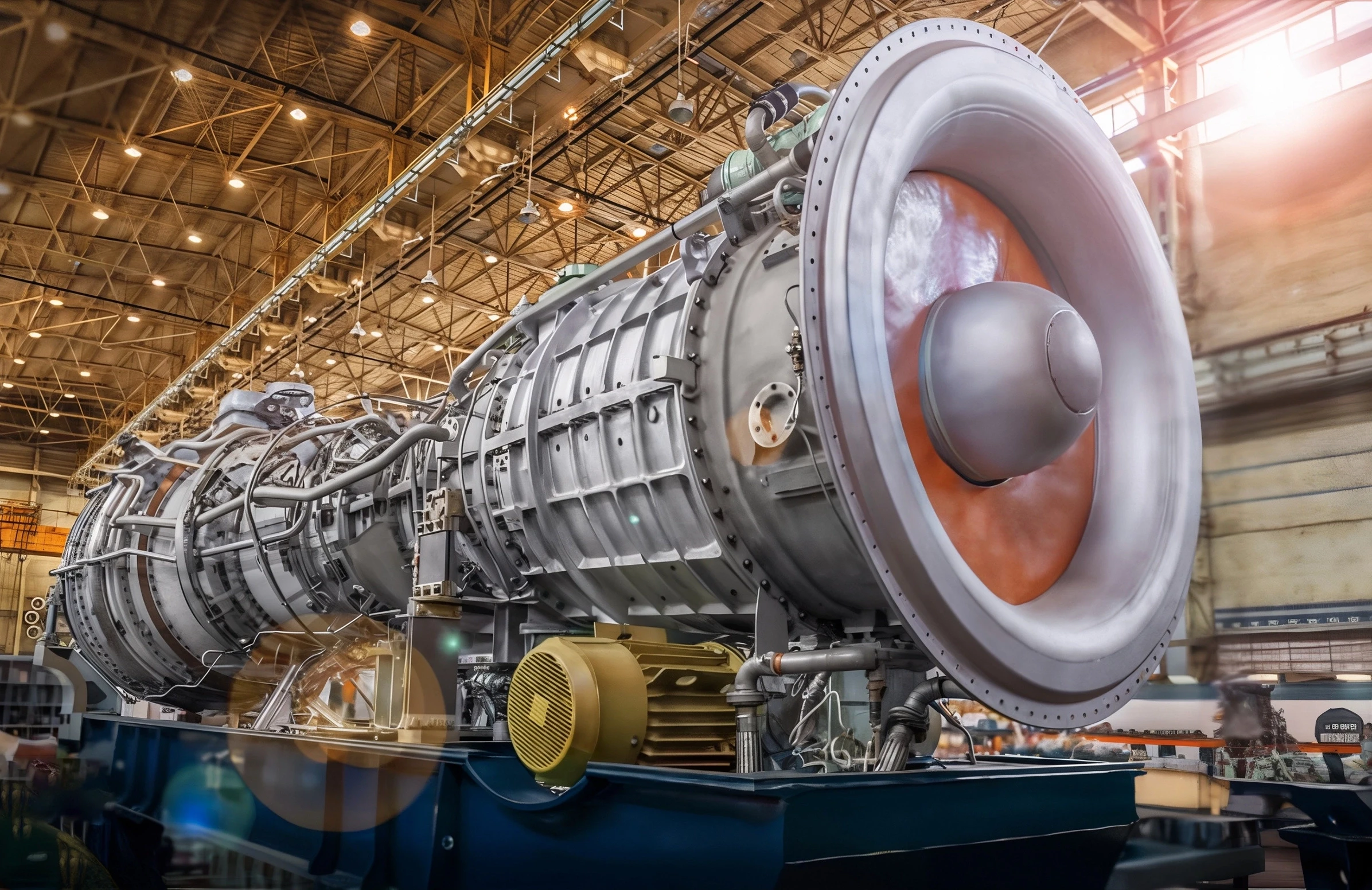
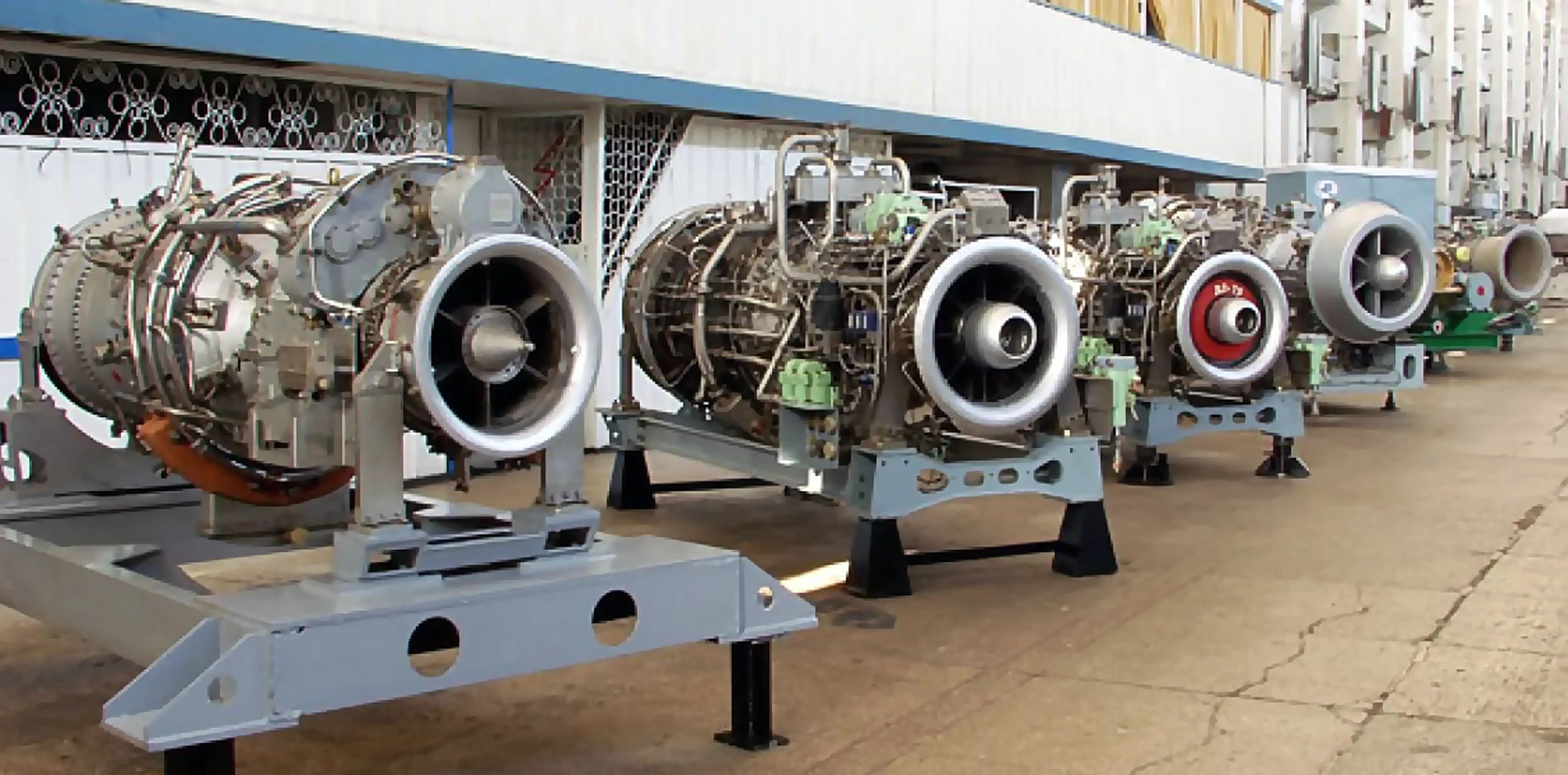
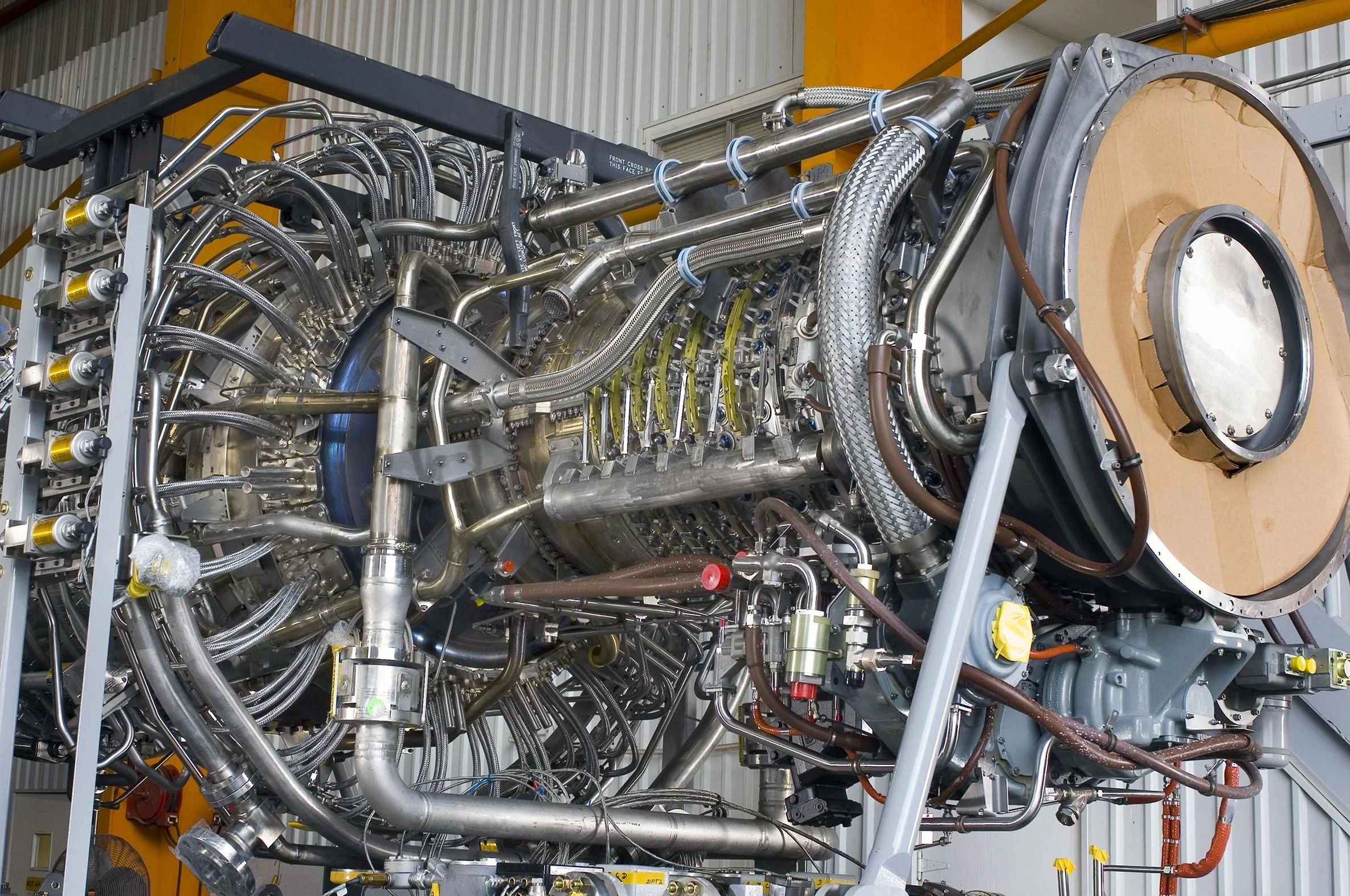
Zorya gas turbines typically consist of standard gas turbine components, but their design is tailored to endure exceptionally harsh conditions. Key features of these turbines include:
High-Temperature and High-Pressure Resistant Materials: These turbines are designed for operation in environments with extremely high temperatures and intense pressures.
Performance in Harsh Conditions: Zorya turbines are optimized for remote areas, adverse weather conditions, and environments filled with dust and various pollutants.
Damage-Resistant Design: These turbines are typically constructed with durable, erosion-resistant, and wear-resistant materials to ensure a longer operational lifespan.
Applications
Zorya gas turbines are utilized in various industrial and military sectors due to their unique characteristics. Their primary applications include:
Oil and Gas Industry: Zorya gas turbines are primarily used in the oil and gas sector, where reliable energy production in challenging and harsh environments is essential. These turbines supply electricity for drilling stations, operational bases, and other oil facilities.
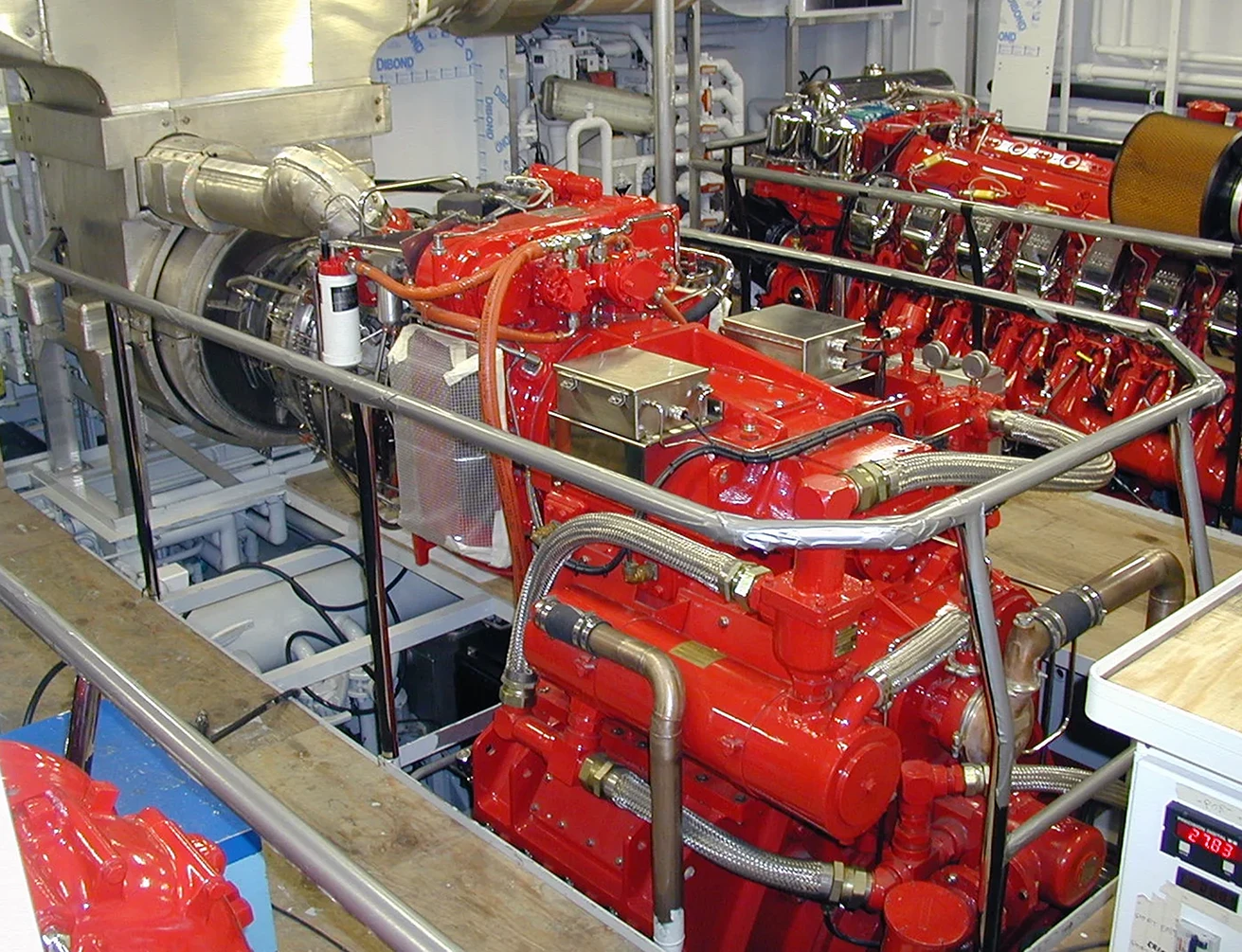
Military Sector: In the military domain, Zorya turbines power defense systems and mobile power plants. They can provide the necessary energy for military equipment and deliver electricity for bases and operations in remote areas lacking access to stable power sources.
Power Generation: Certain models of Zorya gas turbines are employed in power plants, particularly in regions requiring electricity generation using diverse energy resources.
Challenges and Limitations
Despite the numerous advantages of Zorya gas turbines, these systems also face certain challenges. The most significant of these include:
High Costs: Due to the specialized design and use of high-quality materials, the initial manufacturing and maintenance expenses of these turbines are higher compared to standard models.
Need for Specialized Maintenance: Because of their unique characteristics, Zorya turbines require precise and expert-level maintenance and repairs. This can pose challenges, especially in remote areas with limited access to suitable equipment.
Pollutant Emissions: Like many gas turbines, Zorya turbines may produce pollutants such as CO2 due to their reliance on fossil fuels, which can have harmful effects on the environment.
Zorya gas turbines are renowned for their specialized design, tailored for operation in harsh conditions and addressing specific industrial and military demands. These turbines, capable of functioning under high temperatures, intense pressures, and challenging environments, remain a key choice for the oil and gas industries as well as certain military sectors.
However, challenges such as high costs and the need for complex maintenance must be considered. Overall, Zorya gas turbines hold a significant position in niche markets due to their unique features, and with technological advancements, they are likely to find broader applications in the energy industry and military operations in the future.